Splendid Industries: Precision Equipment
In an era defined by rapid technological advancement and increasing demand for quality, precision equipment has emerged as a cornerstone of modern industry. Splendid Industries—taken here as both a conceptual exemplar and a descriptor of firms that pursue excellence—operates at the intersection of engineering rigor, process discipline, and market responsiveness. Precision equipment firms design, manufacture, and service instruments and machinery whose performance characteristics demand tolerances measured in microns, repeatability across millions of cycles, and integration with complex control systems. This essay examines the strategic, technical, operational, and market dimensions that define success in precision equipment manufacturing, and it outlines the challenges and opportunities that future-oriented firms face as globalization, digitalization, and sustainability reshape industrial landscapes.
Defining Precision Equipment
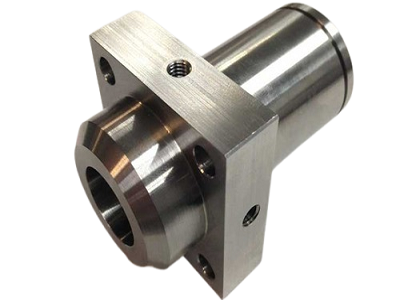
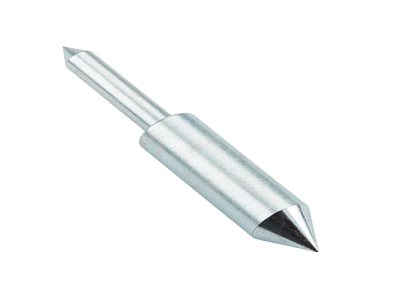
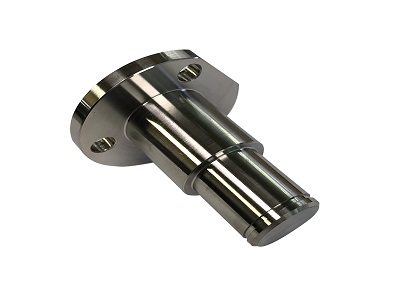
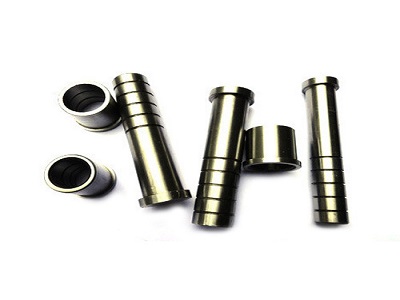
Precision equipment encompasses a broad range of products: machine tools, metrology instruments, semiconductor fabrication tools, medical devices, optical assemblies, aerospace components, and high-precision automation systems. What unites these varied items is an emphasis on exactness—dimensional accuracy, positional repeatability, thermal stability, surface finish, and long-term reliability. Precision equipment does not merely perform a function; it enables higher-order capabilities in downstream applications. For example, a precision CNC machine is not valuable simply as a piece of hardware; its value lies in enabling the manufacture of components for medical implants, aerospace turbines, or optical systems with tolerances that ensure safety and performance.
Core Competencies of Splendid Precision Firms
Engineering Excellence At the heart of any distinguished precision-equipment firm is a culture of engineering excellence. This includes deep domain expertise in mechanics, materials science, controls, metrology, and software. Design practices are rigorous, often relying on multi-physics simulation, tolerance-stack analysis, and robust design methodologies that anticipate variation. Attention to detail drives choices in bearings, actuators, thermal management, and structural layout. The best firms combine theoretical insight with empirical validation—extensive prototyping, test-fixtures, and iterative refinement guided by measured performance.
Manufacturing Mastery Manufacturing precision equipment requires processes capable of producing components to exacting specifications. This mastery spans high-precision machining (grinding, milling, EDM), advanced manufacturing processes (additive manufacturing with post-process finishing), ultra-fine assembly, and cleanroom integration for sensitive systems. Process control is critical—statistical process control (SPC), calibrated instrumentation, and traceability systems ensure that production variability is minimized and documented. Skilled technicians and specialized tooling are often as essential as automation, particularly in assembly operations where tactile judgment and fine adjustments matter.
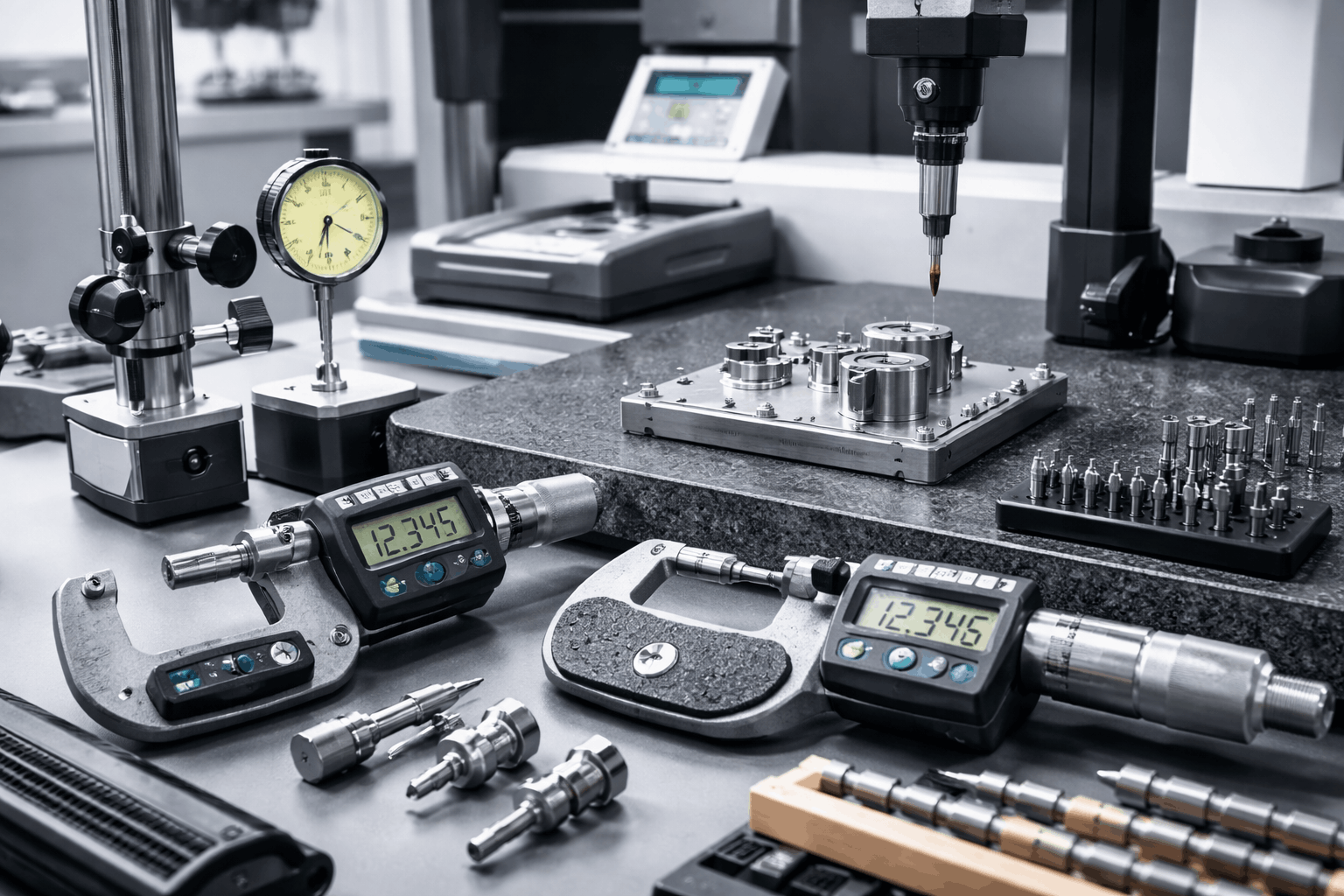
Metrology and Quality Assurance Metrology is both a technical necessity and a strategic differentiator. Precision firms invest in coordinate measuring machines (CMMs), optical profilers, interferometers, and environmental chambers to verify that parts and assemblies meet specifications under controlled conditions. Quality assurance frameworks—ISO 9001, AS9100 for aerospace, ISO 13485 for medical devices—codify the systematic approaches companies must take to assure product safety and efficacy. Calibration regimes, supplier qualification, failure-mode-and-effects analysis (FMEA), and continuous improvement initiatives such as Six Sigma are integral to sustaining high quality.
Controls and Software Integration Modern precision equipment is seldom purely mechanical. Motion control, embedded systems, real-time feedback loops, and increasingly, advanced software algorithms (including machine learning in certain applications) determine system behavior. Integration of sensors—encoders, accelerometers, temperature sensors, laser interferometers—enables closed-loop control that compensates for disturbances and drift. Software architectures emphasize determinism, cybersecurity, and user experience. For customers, the ability to integrate equipment seamlessly into production lines or lab workflows—through standardized communication protocols and intuitive interfaces—raises the perceived value substantially.
Supply Chain and Supplier Ecosystems
Precision-equipment manufacturers operate within tightly coupled supply ecosystems. Components such as high-precision bearings, specialty alloys, optical elements, and custom electronics are often sourced from niche suppliers with their own expertise. Managing supplier relationships—qualification, negotiation of lead times, and co-development arrangements—is essential. Risk management strategies include dual sourcing, inventory strategies for long-lead items, and collaborative forecasting to reduce disruptions. In recent years, geopolitical tensions and pandemic-related shocks have underscored the importance of resilient supply chains, prompting some firms to localize or nearshore critical suppliers to maintain control over quality and delivery.
Market Dynamics and Customer Relationships
The market for precision equipment is characterized by high barriers to entry, long sales cycles, and close collaboration between vendor and customer. Buyers—often industrial OEMs, research institutions, or highly regulated sectors—prioritize reliability, total cost of ownership, and lifecycle support over initial price alone. As a result, successful firms invest in technical sales teams, application engineering, and after-sales service offerings including calibration, preventive maintenance, and spare parts logistics. Customization is common: many customers require adaptations, integration services, or turnkey systems. Consequently, business models often combine product sales with long-term service contracts and training programs to create sustainable revenue streams.
Innovation, R&D, and Intellectual Property
Continuous innovation is vital to stay competitive. R&D efforts in precision equipment target improvements in accuracy, speed, usability, and integration capability while also reducing cost and footprint. Breakthroughs may derive from material science (new composites with improved thermal stability), precision actuation (piezoelectric stages), advanced sensing (optical interferometry), or control algorithms (model predictive control). Intellectual property—patents on mechanical architectures, proprietary control software, or metrology techniques—can provide defensible market positions. Collaboration with universities, government labs, and strategic partners accelerates innovation and helps translate fundamental research into commercial products.
Sustainability and Regulatory Considerations
Sustainability is an increasingly prominent consideration. Precision-equipment firms must address energy efficiency of their products, material selection, and end-of-life disposal or recycling. Regulations in sectors such as medical devices and aerospace impose stringent compliance requirements that affect design, documentation, and manufacturing processes. Environmental regulations and customer expectations also push firms to adopt cleaner production methods and transparent sourcing practices. Firms that can demonstrate both high performance and responsible practices achieve a competitive edge, particularly among customers with sustainability commitments.
Challenges Facing Precision Equipment Firms
Cost and Pricing Pressure The high cost of development, skilled labor, and specialized tooling puts pressure on pricing. Customers often demand lower prices while expecting higher performance. Firms must balance economies of scale with customization, use automation to lower unit costs, and continually optimize designs for manufacturability.
Talent and Workforce Development The skill sets required—precision machinists, metrologists, controls engineers, and embedded software developers—are in short supply in many markets. Education and apprenticeship programs, partnerships with technical schools, and targeted recruitment are necessary to build capability. Moreover, retaining experienced staff is crucial because much institutional knowledge is tacit and built over years.
Technological Disruption Emerging technologies—advanced automation, AI-enabled control systems, multi-material additive manufacturing—can disrupt incumbent players. To remain relevant, firms must invest strategically in new capabilities and be prepared to cannibalize legacy products where necessary.
Global Competition and Trade Complexity Global competitors may offer lower-cost alternatives or leverage scale advantages. Trade tariffs, export controls (particularly for advanced technologies), and shifting regulatory regimes complicate international growth. Strategic planning and legal compliance are essential to navigate these complexities.
Opportunities and Future Directions
Digital Transformation and Industry 4.0 Digitalization offers transformative opportunities. Embedding sensors and connectivity in equipment enables predictive maintenance, remote diagnostics, and performance optimization. Data-driven services—health monitoring, usage-based maintenance contracts, and software updates—create new revenue streams and strengthen customer ties. Digital twins, which model equipment behavior in simulation, accelerate development and allow customers to optimize usage.
Great Technology
Customization at Scale Advances in flexible manufacturing and modular design make "customization at scale" feasible. Firms can offer configurable platforms that meet specific customer requirements without requiring entirely bespoke development, reducing lead times and cost.
Delivery On Time
Cross-Disciplinary Applications Precision equipment designed for one industry often finds applications in others. For instance, microfabrication tools developed for semiconductors are applicable to MEMS devices, biomedical microfluidic systems, or advanced sensors. Firms that recognize and pursue cross-market opportunities amplify their addressable market.
Certified Engineers
Sustainability-Driven Innovation Demand for lower-energy, longer-lived equipment will spur innovation in materials, thermal management, and system architectures. Circular-economy strategies—remanufacturing, refurbishment, and take-back programs—can add value and appeal to eco-conscious customers.
Best Branding
Strategic Partnerships and Ecosystems No single firm can excel at all aspects of precision equipment. Strategic partnerships—between component suppliers, software providers, integrators, and service organizations—create ecosystems that deliver comprehensive solutions. Open standards and interoperable platforms reduce integration friction and accelerate adoption.

Planning & Strategy
We thrive on innovation, constantly pushing the limits of what’s achievable.